

CALS students have access to UW–Madison’s 300+ study abroad programs in more than 80 countries. Programs can range from one-week experiences to semester- or year-long programs, and everything in between. CALS Study Abroad, in partnership with International Academic Programs (IAP), offers over 30 programs designed to fulfill CALS academic requirements. These programs explore sustainable development, food systems, agriculture, health and wellness, community and economic development, biosciences, and more.
All CALS programs carry UW–Madison academic credit that will appear on your transcript. A world language background is not required for most programs. With advanced planning, any CALS major can study abroad and still graduate on time!
Why should I study abroad?
Study abroad gives you a chance to apply what you’ve learned in the classroom to real-world scenarios while earning credit towards your major and degree. You’ll have the opportunity to see the world, experience new cultures, and gain professional skills.
CALS Study Abroad collaborates with CALS academic departments to provide Major Advising Pages (MAPs) to guide your exploration of studying abroad. MAPs suggest times for you to study abroad, questions to ask your advisors, and lists recommended programs.
As a CALS student, you’re assigned a study abroad advisor to help you navigate the entire study abroad process. They’ll answer your questions about picking a program, when to study abroad, credit transfer, applications, scholarships, and more.
CALS offers over $50,000 in scholarships each year to students participating in study abroad programs. In addition to CALS scholarships, students can also apply for additional scholarships offered on campus.
Program Options
CALS offers over 30 study abroad programs, so you can find an experience that works for you. Programs vary by length, time of year, and the kind of experience — explore our programs below.
Field experiences are typically led by UW–Madison faculty with a group of UW-Madison students traveling together for two to three weeks during winter, spring, or summer break. They follow a theme and often involve partnering with a local organization in the host community on a shared project.
Summer
- Costa Rica – UW Agroecoystems and Planetary Health in Costa Rica
- France – ESA Angers International Food, Culture and Agriculture Summer Program
- Italy – UW Sustainable Food Systems in Italy
- Japan – UW Food Systems and the Environment in Northern Japan
- South Africa – UW Wildlife Conservation in South Africa
- Tanzania – UW Health, Education, & Tanzanian Culture
- Uganda – UW Mobile Clinics & Health Care in Uganda
Winter Intersession
- Japan – UW Wellbeing and the Art of Forest Bathing in Japan
- Nepal – UW Global Health, Community Health & Health Disparity in Nepal
- Sri Lanka – UW Global Health Community Health & Asset-Based Community Development in Sri Lanka
- Tanzania – UW Health, Education, & Tanzanian Culture
- Uganda – UW Agriculture, Health & Nutrition in Uganda
Spring Break
- Costa Rica – UW Banking Animal Biodiversity in Costa Rica
Development technical skills, gain real-world research experience, and build essential cross-cultural communication skills in a research or internship study abroad opportunity. For most international research opportunities, students will be directed by an instructor or paired with a research mentor. Internships can vary from research and farm management to clinical rotations in hospitals.
- Greece – Perrotis College
- India – CFHI Global Health Internships in India
- Japan – UW Food Systems and the Environment in Northern Japan (Research Internship)
- Mexico- CFHI Global Health Internships in Mexico
- Philippines- CFHI Global Health Internships in the Philippines
- South Africa – CFHI Global Health Internships in South Africa
Semester programs allow students to enroll in classes for a semester or a year at a university abroad, providing a culturally and academically immersive experience. These programs offer courses in English in addition to the local language.
- Argentina – IFSA Preveterinary Medicine
- Czech Republic – Czech University of Life Sciences
- England – IFSA Biosciences and Health Sciences Career Accelerators
- France – ESA Angers
- France – L’Institut Agro Montpellier
- Germany – University of Hohenheim
- Greece – Perrotis College
- Ireland – University College Dublin Agricultural and Life Sciences
- Netherlands – Wageningen University
- New Zealand – Lincoln University
- Norway – Norwegian University of Life Sciences
- Sweden – Swedish University of Agricultural Sciences
- Trinidad & Tobago – University of the West Indies
CALS students, depending on their academic, personal, and career goals, should also consider programs offered by other study abroad offices on campus. Explore all the UW–Madison program options or use the Major Advising Pages to find programs related to your major.
Stories from Abroad
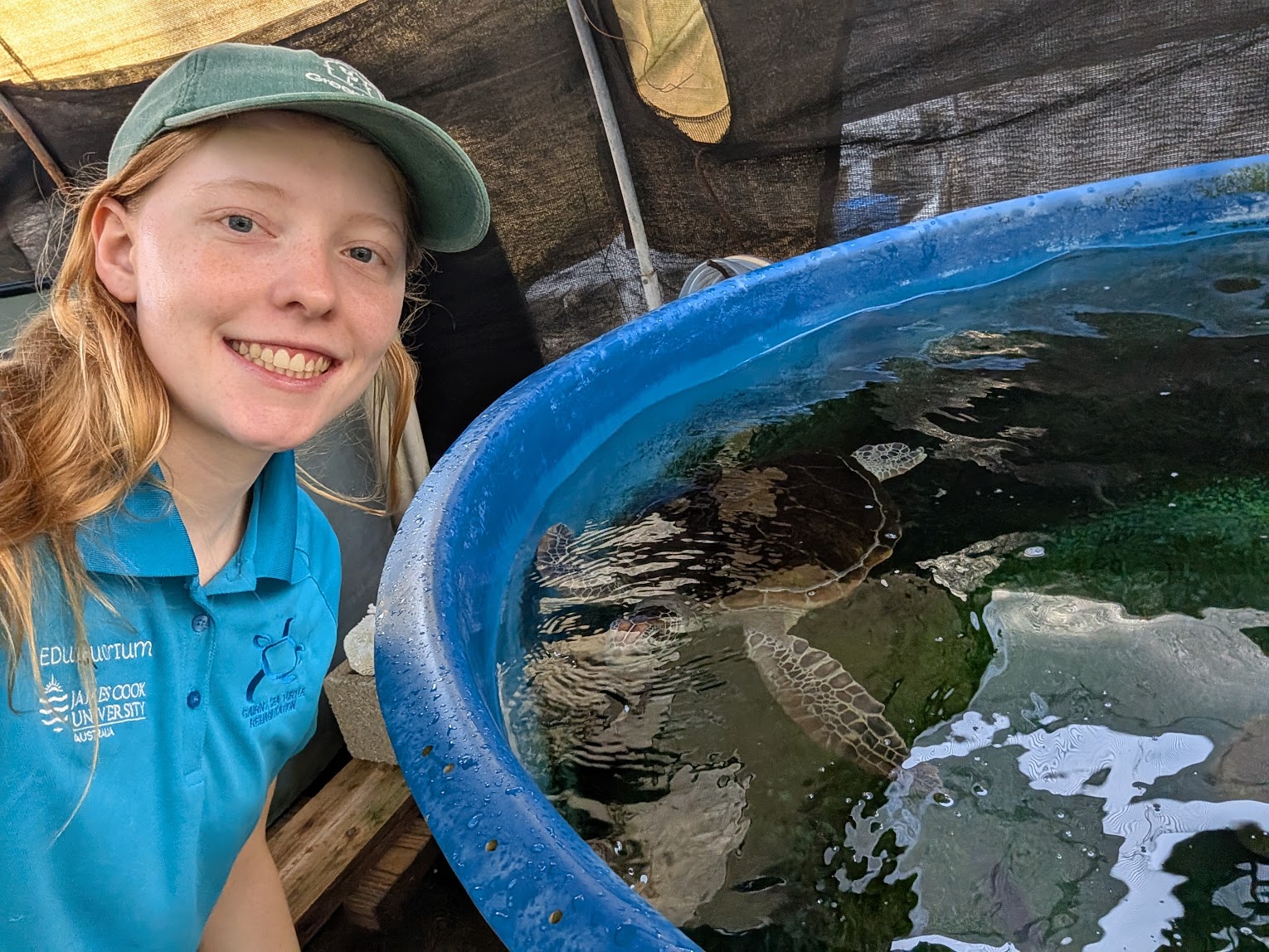
Lauren, environmental sciences and forest science
Lauren spent a spring trimester at James Cook University in Australia, where she studied ecology inside and outside the classroom. She volunteered at a sea turtle rehabilitation center and explored the local rainforests and coral reefs.
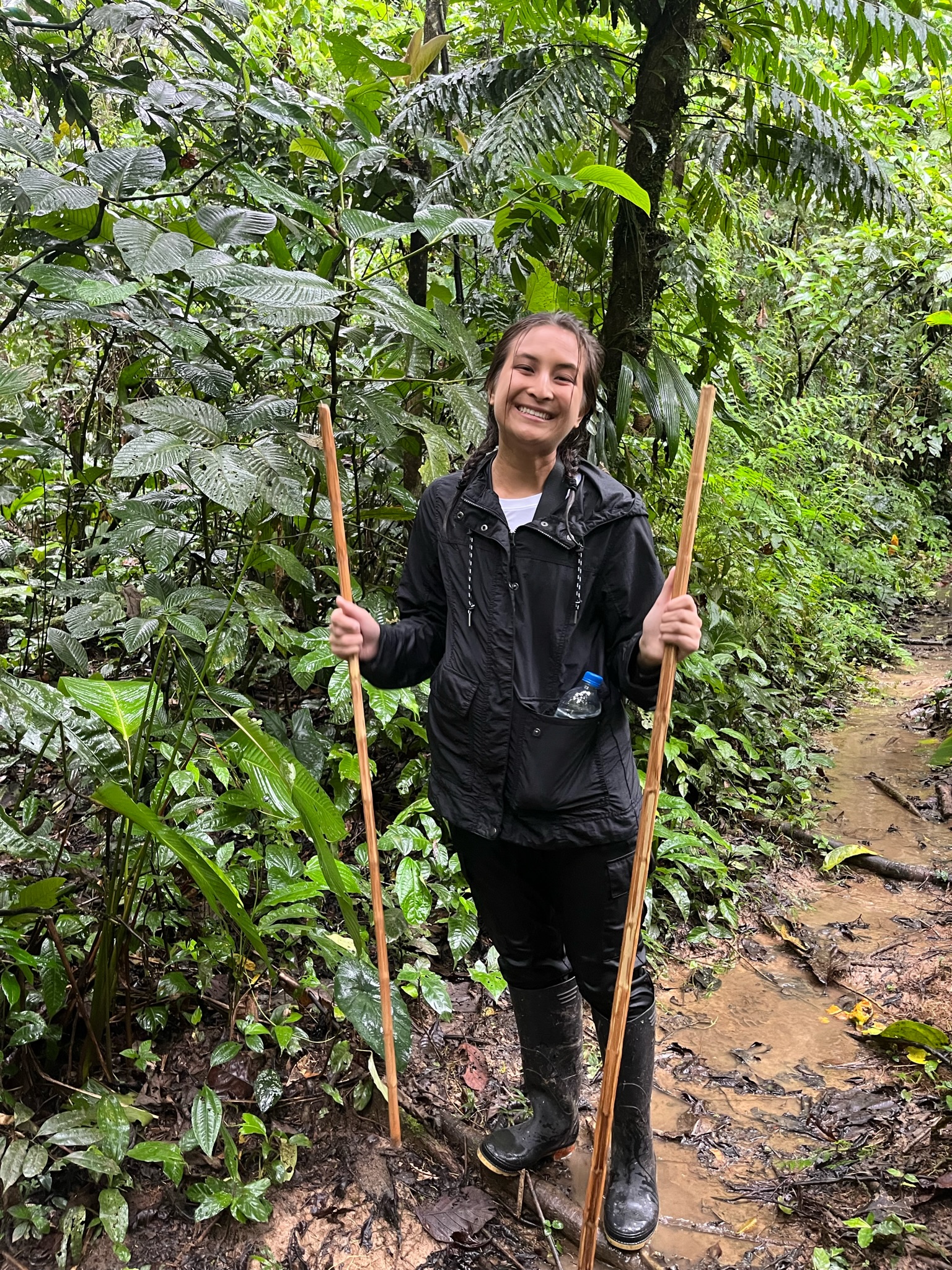
Sofia, global health and microbiology
UW Global Health Field School in Ecuador
Sofia studied abroad in Ecuador for two weeks over the summer. She learned about Indigenous health, traditional medicine, and gained a broader understanding of what health means around the world.

Varun, nutritional sciences
UW Sustainable Food Systems in Italy
One of Varun’s most memorable experiences in college was spending two weeks in the summer learning about the connections between human health, agricultural practices, and environmental sustainability in southern Italy.
Study Abroad Advising
The CALS professional study abroad advisors are here to help you every step of the way. Your advisor is assigned based on your major. Advising appointments are scheduled through Starfish and can be either virtual or in-person in the Office of Academic Affairs, 116 Agricultural Hall. A study abroad advisor can:
- Help incorporate study abroad into your academic and career plans based on your major
- Answer questions about specific CALS programs
- Discuss financial, personal, academic, and identity-related concerns while abroad
- Advise you on application procedures for CALS programs
In addition to advising, CALS Study Abroad collaborates with CALS academic departments on Major Advising Pages (MAPs). MAPs suggest times for you to study abroad, questions to ask your advisors, and recommend programs based on your major. The program list is not exhaustive, but can give you a place to begin your search. CALS Study Abroad has completed several MAPs and is currently working to finalize additional MAPs.

Advising for majors:
- Agricultural and Applied Economics
- Agricultural Business Management
- Animal and Veterinary Biosciences
- Animal Sciences
- Biological Systems Engineering
- Dairy Science
- Dairy and Food Animal Management
- Entomology
- Forest Science
- Genetics and Genomics
- Global Health
- Life Sciences Communication
- Plant Pathology
- Wildlife Ecology

Advising for majors:
- Agroecology
- Agronomy
- Biochemistry
- Biology (CALS)
- Community and Environmental Sociology
- Environmental Sciences (CALS)
- Food Science
- Global Health
- Horticulture
- Microbiology
- Nutritional Sciences
- Nutritional Sciences, Nutrition and Dietetics
- Plant Science and Technology
- Soil Science

CALS faculty and external study abroad providers: Please email brett.schieve@wisc.edu to schedule a time to discuss study abroad opportunities for students in the College of Agricultural and Life Sciences.
Scholarships
Each year, CALS awards more than $50,000 to students who are studying abroad to help cover program costs. Learn how and when to apply, award amounts, and additional scholarship opportunities on campus on the CALS scholarships and awards page.
FAQs
Programs vary in cost depending on duration, location, organized excursions, whether housing or group meals are provided, and even your residency status. Many programs cost the same or even less than taking courses on campus, although some programs do cost more. You can view costs for a study abroad program on it’s program page on the UW Study Abroad site. Meeting with a study abroad advisor can help you understand costs and different program options.
Financial aid can often be used to pay the program fee in the same way that it can be used for tuition. In addition to financial aid, there are a wide range of scholarships available to CALS students studying abroad.
Yes! Any CALS major can study abroad with advanced planning. Students can explore Major Advising Pages (MAPs) for major-specific study abroad information and suggested programs.
The best place to begin looking for programs is your Major Advising Page (MAP). MAPs offer a list of programs that might be of interest to your major as well as what course requirements you can complete while studying abroad.
Yes! With planning, students are able to incorporate study abroad into their academic plan without delaying graduation. Students should consult their academic advisor, study abroad advisor, and their Major Advising Page (MAP) to plan for how and when to study abroad without delaying time to graduation.
The best time to study abroad is unique to each student and depends on their academic, personal, and professional goals. It may be a semester during the academic year, or during summer, winter, or spring break. Some students choose to study abroad multiple times. Students should consult their academic advisor, study abroad advisor, and their Major Advising Page (MAP) to decide when to study abroad.
No, you do not need to know a language to study abroad. Over 200 study abroad program options offer courses in English and have no additional language requirements.
CALS students can start planning to study abroad as early as their first semester on campus! If you know you want to study abroad, it’s best to start planning as early as possible to plan your schedule for upcoming semesters around your study abroad program.
No; as long as you are a CALS student, you can apply for a CALS scholarship regardless of what program you are participating in.
Yes! CALS study abroad programs are open to all UW–Madison students.
If you are pursuing two CALS majors that fall under different advisors, such as life sciences communication and agroecology, please contact the study abroad team at studyabroad@cals.wisc.edu.
Questions?
Reach out a study abroad advisor or contact the Academic Affairs team at academicaffairs@cals.wisc.edu.
Office of Academic Affairs
116 Agricultural Hall
1450 Linden Drive
Madison, WI 53706
Office Hours: 7:45am – 4:30pm
For current & prospective student general inquiries:
Phone: 608.262.3003
Email: academicaffairs@cals.wisc.edu